What Are Different Types of Sleep Apnea?
What Are Different Types of Sleep Apnea?
updated: Oct. 28, 2024
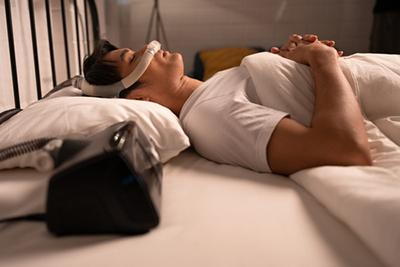
Sleep apnea isn’t just about snoring. It can lead to serious medical conditions that may shorten your life if left untreated. If you suspect you have sleep apnea, Dr. Arthur Katz, an experienced otolaryngologist at Arthur H. Katz, MD in Munster, IN, and Flossmoor, IL, is here to help. With comprehensive diagnosis and treatment options, Dr. Katz emphasizes addressing sleep apnea early to prevent long-term health complications.
What You Need to Know About Sleep Apnea
Did you know there are three types of sleep apnea? Understanding the differences can help in determining the best course of treatment.
- Obstructive Sleep Apnea (the most common type) occurs when the tissue in the back of your throat relaxes and collapses during sleep, partially or completely blocking your airway. This reduces oxygen flow to your vital organs.
- Central Sleep Apnea happens when your brain doesn’t send the proper signals to your muscles to breathe, resulting in pauses in breathing during sleep.
- Complex Sleep Apnea is a combination of both obstructive and central sleep apnea, requiring more in-depth treatment.
All types of sleep apnea lead to insufficient oxygen reaching your vital organs, including your heart and brain. Continuous oxygen deprivation can increase your risk of:
- Developing Alzheimer’s disease
- Having a stroke
- Developing heart disease
- A shortened lifespan
Symptoms of Sleep Apnea
The symptoms of all three types of sleep apnea are similar and include:
- Frequent, loud snoring
- Waking up with a gasping or choking sensation
- Morning headaches or sore throats
- Daytime grogginess and difficulty concentrating
If you’re experiencing these symptoms, a sleep study may be necessary to diagnose your type of sleep apnea.
Treatment Options for Sleep Apnea
Treatment for sleep apnea varies depending on the type. For obstructive sleep apnea, Dr. Katz may recommend:
- CPAP: A continuous positive airway pressure (CPAP) machine provides a steady oxygen flow while you sleep, preventing airway blockage.
- Oral Mandibular Advancement Appliance: This dental device holds your lower jaw forward, keeping your airway open during sleep.
Additional testing may be required for central or complex sleep apnea to determine why your brain isn’t sending the proper breathing signals. CPAP or mandibular appliances alone may not resolve the issue in these cases.
Want to Know More?
If you suspect you have sleep apnea, early diagnosis is crucial. To learn more about the different types of sleep apnea and available treatment options, contact Dr. Arthur Katz at Arthur H. Katz, MD. Call (219) 934-9396 to schedule an appointment at the Munster, IN office or (708) 747-6900 for the Flossmoor, IL location. Take control of your sleep and health today.